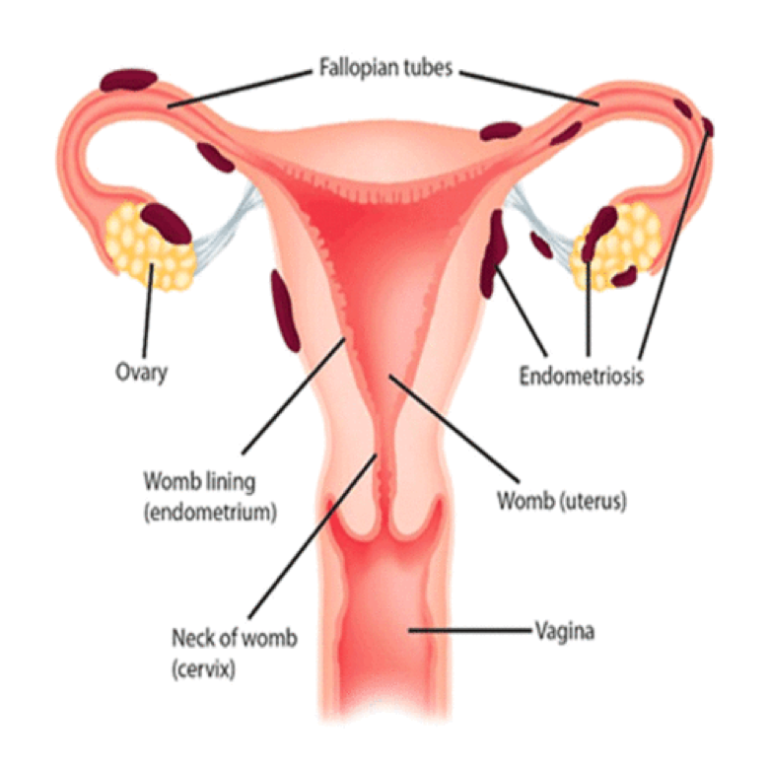
What Is Endometriosis?
Endometriosis is a common gynaecological condition in which tissue similar to the lining of the uterus (endometrium) grows outside the uterus. These growths may be found around the ovaries, fallopian tubes, pelvic lining and other areas of the pelvis.
The tissue can respond to hormonal changes during the menstrual cycle, which may lead to inflammation, pain, scar tissue and adhesions.
What Causes Endometriosis?
The exact cause of endometriosis is not fully understood. Several factors may contribute to its development, including:
Reverse flow of menstrual blood through the fallopian tubes
Genetic or family history of endometriosis
Hormonal factors
Immune system-related factors
Previous pelvic surgery or inflammation
Endometriosis can affect women during their reproductive years and may vary significantly from one person to another.
What Are the Symptoms of Endometriosis?
The symptoms of endometriosis can range from mild to severe. Some women may have significant endometriosis with few symptoms, while others may experience considerable pain.
Common symptoms include:
Pelvic or lower abdominal pain
Pain before or during periods
Pain during sexual intercourse
Painful bowel movements, particularly during periods
Pain or discomfort while passing urine
Heavy or irregular menstrual bleeding
Bloating and pelvic discomfort
Chronic pelvic pain
Difficulty in conceiving or infertility
Fatigue, especially around menstruation
The severity of pain does not always correspond to the extent of endometriosis.
Endometriosis and Fertility
Endometriosis can sometimes affect fertility. Endometriotic tissue and pelvic adhesions may interfere with the normal function of the ovaries and fallopian tubes.
Women experiencing difficulty conceiving may require evaluation for endometriosis along with other possible causes of infertility. Treatment is planned according to age, symptoms, ovarian reserve, fertility goals and severity of the disease.
How Is Endometriosis Diagnosed?
Diagnosis usually begins with a detailed discussion about symptoms and menstrual history, followed by a physical examination.
Investigations may include:
1. Pelvic Ultrasound
An ultrasound scan can help identify ovarian endometriotic cysts, commonly called endometriomas, and may also provide information about the pelvic organs.
2. MRI Scan
In selected cases, an MRI may be recommended to assess deep endometriosis and understand the extent and location of disease.
3. Laparoscopy
Laparoscopy may be considered in selected patients when symptoms persist, the diagnosis remains uncertain, or surgical treatment is required. It allows direct visualization of the pelvic organs and, when appropriate, treatment can be performed during the same procedure.
What Are the Treatment Options for Endometriosis?
Treatment depends on the patient's symptoms, age, fertility plans, severity of disease and previous treatment.
The main goals of treatment are to:
Reduce pain
Control symptoms
Prevent or reduce recurrence
Improve quality of life
Preserve or improve fertility where appropriate
Medical Treatment
Hormonal treatment may be recommended to reduce hormonal stimulation of endometriotic tissue and control symptoms.
Treatment options may include:
Combined oral contraceptive pills
Progestogen tablets or injections
Hormonal intrauterine systems such as Mirena
GnRH analogues in selected cases
Pain-relieving medicines when appropriate
The choice of medication should be individualized according to the patient's symptoms and reproductive plans.
Surgical Treatment for Endometriosis
Surgery may be considered when symptoms are severe, medical treatment is ineffective or not suitable, significant endometriosis is present, or there are fertility-related concerns in selected patients.
Surgical procedures may include:
Removal of endometriotic ovarian cysts
Excision or removal of endometriotic lesions
Adhesiolysis to release pelvic adhesions
Treatment of deep endometriosis when required
Whenever appropriate, surgery can be performed using laparoscopic (keyhole) techniques, although open surgery may be required in selected complex cases.
What Happens After Endometriosis Treatment?
Follow-up after treatment is important because endometriosis can recur in some patients.
Depending on individual circumstances, follow-up may include:
Monitoring of symptoms
Hormonal treatment to reduce recurrence
Assessment of fertility requirements
Repeat imaging when clinically indicated
Lifestyle and pain-management support
The treatment plan may need to be adjusted over time according to symptoms and future pregnancy plans.
When Should You Consult a Doctor?
You should consider consulting a gynaecologist if you experience:
Severe or worsening period pain
Persistent pelvic pain
Pain during intercourse
Pain during bowel movements or urination, particularly around periods
Difficulty conceiving
Symptoms that interfere with daily activities
Persistent pelvic pain despite pain medication
Early evaluation can help identify the cause of symptoms and allow appropriate treatment to be planned.