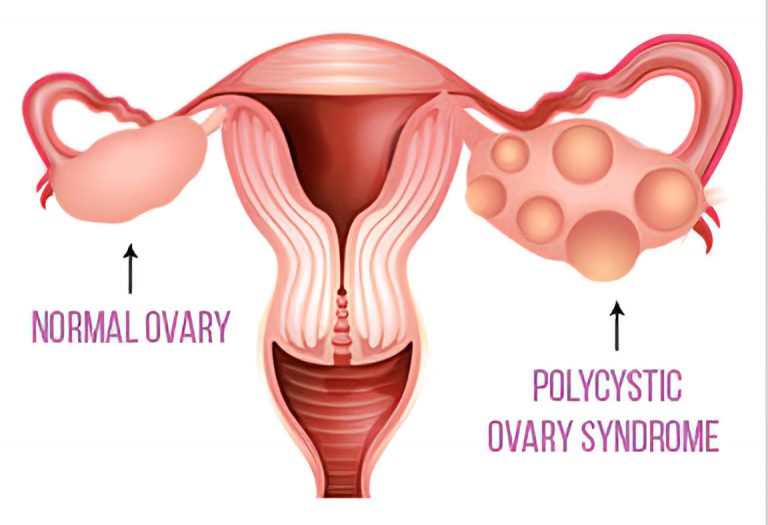
What Is PCOS?
Polycystic Ovary Syndrome (PCOS) is a common hormonal and metabolic condition that affects women, particularly during the reproductive years. It is associated with hormonal imbalance, irregular ovulation and, in many women, insulin resistance.
Despite its name, the small follicles seen in the ovaries are not true cysts. They are often immature follicles that have not developed or released an egg normally.
PCOS can affect menstrual cycles, fertility, skin, hair and body weight. It may also increase the long-term risk of conditions such as type 2 diabetes, high blood pressure and cardiovascular disease.
PCOS can be effectively managed with the right combination of lifestyle changes, medication and treatment based on individual symptoms and fertility requirements.
What Causes PCOS?
The exact cause of PCOS is not completely understood. However, insulin resistance, hormonal imbalance and genetic factors are considered important contributors.
Insulin Resistance and PCOS
Insulin is a hormone produced by the pancreas that helps the body use glucose for energy. In insulin resistance, the body's cells do not respond properly to insulin.
As a result, the body may produce more insulin to maintain normal blood sugar levels. Higher insulin levels can stimulate the ovaries to produce more androgens (male hormones).
Excess androgen activity can interfere with normal ovulation and may contribute to symptoms such as:
Irregular or delayed periods
Excess facial or body hair
Acne
Hair thinning or hair loss
Difficulty in becoming pregnant
Weight gain or difficulty losing weight
Not every woman with PCOS has insulin resistance or the same combination of symptoms.
What Are the Symptoms of PCOS?
PCOS can present differently in different women. Common symptoms include:
Irregular, delayed or absent periods
Difficulty with ovulation
Difficulty conceiving
Excess facial or body hair (hirsutism)
Acne and oily skin
Hair thinning or hair loss from the scalp
Weight gain, particularly around the abdomen
Difficulty losing weight
Darkening of the skin in certain areas, especially around the neck or underarms
Some women may have only a few symptoms, while others may experience several at the same time.
PCOS and Fertility
PCOS is one of the common causes of ovulation-related infertility. Irregular ovulation means that an egg may not be released regularly, which can make conception more difficult.
However, having PCOS does not mean that pregnancy is impossible. Many women with PCOS conceive naturally or with appropriate fertility treatment.
Treatment is selected according to the woman's age, menstrual pattern, duration of infertility and other fertility factors.
How Is PCOS Diagnosed?
There is no single test that can diagnose PCOS in every woman.
A doctor may consider:
Menstrual and medical history
Physical examination
Assessment of symptoms such as acne or excess hair growth
Blood tests to evaluate hormones and metabolic health
Pelvic ultrasound when appropriate
Blood sugar and other metabolic tests where indicated
Other conditions that can cause similar symptoms may also need to be ruled out before confirming the diagnosis.
How Can Women With PCOS Lose Weight?
Weight management can be an important part of PCOS management, particularly for women who are overweight or have insulin resistance.
Even a modest and sustainable reduction in excess body weight may help improve metabolic health and, in some women, menstrual regularity and ovulation.
1. Choose a Balanced Diet
There is no single diet that works for every woman with PCOS. A balanced eating pattern with appropriate portions is generally more useful than extreme dieting.
Include:
Vegetables and fruits in appropriate portions
Whole grains and other high-fibre foods
Protein-rich foods such as eggs, pulses, fish, lean meats and nuts
Healthy sources of fats such as olive oil, nuts and seeds
Adequate water throughout the day
2. Choose High-Fibre Foods
Fibre can help improve fullness after meals and may support better blood sugar control.
Good options include vegetables, whole grains, pulses, beans, nuts and seeds.
3. Include Adequate Protein
Protein can help with satiety and maintaining muscle mass during weight loss.
Eggs, dairy products, pulses, beans, fish, lean meat, nuts and seeds can be included according to individual dietary preferences.
4. Reduce Refined Sugars and Processed Foods
Frequent consumption of sugary drinks, sweets, refined snacks and highly processed foods can make weight management more difficult.
Choosing minimally processed foods more often can support overall metabolic health.
5. Exercise Regularly
Regular physical activity is an important part of PCOS management.
A combination of:
Brisk walking or other aerobic activity
Cardio exercises
Strength or resistance training
Flexibility and mobility exercises
can help improve fitness, insulin sensitivity and overall health.
Can PCOS Be Treated?
Yes. PCOS can be managed effectively, although there is currently no single treatment that permanently cures the underlying condition.
Treatment depends on the woman's main concerns and may focus on:
Regulating menstrual cycles
Managing acne and excess hair growth
Improving insulin resistance and metabolic health
Supporting weight management
Improving ovulation and fertility when pregnancy is desired
Lifestyle changes and medications may be used separately or together depending on individual needs.
PCOS Treatment When Pregnancy Is Not Immediately Planned
If pregnancy is not currently desired, treatment may focus on regulating periods and controlling symptoms.
Depending on the individual situation, a doctor may recommend hormonal contraceptives or other medicines to help manage irregular periods, acne or excess androgen-related symptoms.
Women with very infrequent periods may require treatment to protect the lining of the uterus.
PCOS Treatment When Pregnancy Is Desired
For women trying to conceive, treatment focuses on improving ovulation and identifying any additional fertility factors.
Depending on the situation, a doctor may recommend lifestyle management, ovulation-inducing medicines or other fertility treatments.
The treatment plan should be individualized rather than based only on the presence of polycystic ovaries on an ultrasound.
Long-Term Health Risks Associated With PCOS
PCOS is not only a reproductive health condition. Some women with PCOS have an increased risk of metabolic problems, particularly when associated with overweight or insulin resistance.
Long-term health considerations may include:
Insulin resistance
Prediabetes or type 2 diabetes
High cholesterol
High blood pressure
Cardiovascular risk
Sleep-related problems
Problems related to irregular or absent periods
Regular medical follow-up can help identify and manage these risks early.
Important Things to Remember About PCOS
PCOS is a long-term condition that can be managed successfully. The symptoms and severity can change over time, and treatment may need to be adjusted according to a woman's age, symptoms, reproductive plans and overall health.
A healthy eating pattern, regular exercise, maintaining a healthy weight where appropriate, and timely medical care can play an important role in managing PCOS and reducing associated health risks.
If you have irregular periods, persistent acne, excessive hair growth, unexplained weight changes or difficulty conceiving, consult a gynaecologist for an appropriate evaluation rather than assuming that the symptoms are simply due to PCOS.