Ovarian Cyst Treatment in South Delhi
Ovarian cysts are fluid-filled sacs or pockets in an ovary or on its surface. Women have two ovaries — each about the size and shape of an almond — on each side of the uterus.
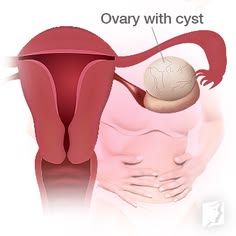
Ovarian cysts are fluid-filled sacs or pockets in an ovary or on its surface. Women have two ovaries — each about the size and shape of an almond — on each side of the uterus.
Ovarian cysts are fluid-filled sacs or pockets that develop inside an ovary or on its surface. The ovaries are two small, almond-shaped organs located on either side of the uterus and are responsible for producing eggs and female hormones during the reproductive years.
Ovarian cysts are common and many women develop them at some point in their lives. Most cysts are harmless, cause little or no discomfort, and disappear naturally within a few months without requiring treatment.
In some cases, ovarian cysts can become large, rupture, or twist the ovary, leading to severe pain and other complications. Regular pelvic examinations and timely medical evaluation can help detect ovarian cysts early and ensure appropriate treatment when necessary.
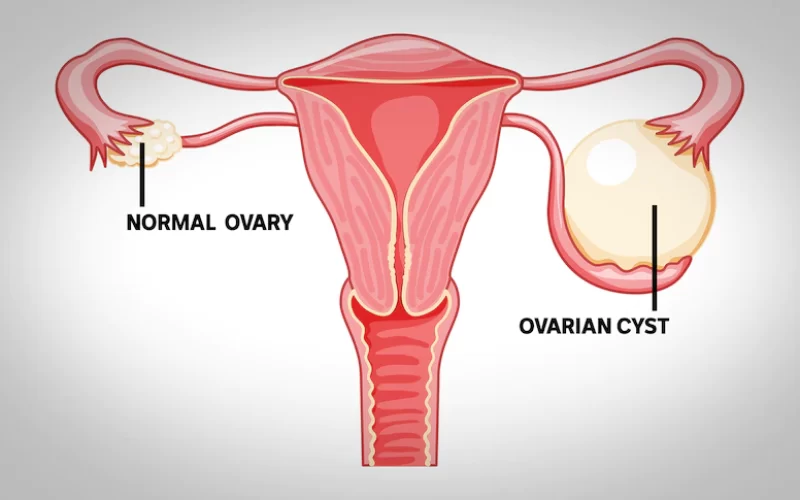
Most ovarian cysts cause no symptoms and disappear on their own. However, larger cysts or those causing complications may produce noticeable symptoms that require medical attention.
A dull or sharp ache in the lower abdomen, usually on the side of the affected ovary.
A feeling of fullness or heaviness in the abdomen caused by a growing cyst.
Swelling or bloating of the abdomen that may cause discomfort.
Sharp abdominal or pelvic pain may indicate a ruptured cyst or ovarian torsion.
Pain accompanied by fever or vomiting may indicate a serious complication.
Cold, clammy skin, rapid breathing, dizziness, or weakness require immediate emergency care.
While ovarian cysts are common and often harmless, certain medical conditions and life stages can increase the likelihood of developing them.
Fertility medications such as clomiphene (Clomid), which stimulate ovulation, may increase the risk of ovarian cysts.
A cyst formed during ovulation may remain on the ovary throughout pregnancy in some women.
Endometrial tissue growing outside the uterus can attach to the ovary and develop into an endometrioma.
A serious pelvic infection that spreads to the ovaries can increase the risk of cyst formation.
Women who have had an ovarian cyst before are more likely to develop another one in the future.
Most ovarian cysts develop naturally as part of the menstrual cycle and are known as functional cysts. These cysts are usually harmless and often disappear on their own without treatment.
The most common type of ovarian cyst
Common cysts related to ovulation
While most ovarian cysts are harmless and related to the menstrual cycle, some types develop independently and may require closer monitoring or treatment.
Formed from embryonic cells, these cysts may contain hair, skin, or teeth and are rarely cancerous.
Develop on the surface of the ovary and are usually filled with watery or mucus-like fluid.
Caused by endometriosis, where uterine tissue grows outside the uterus and attaches to the ovary.
Dermoid cysts and cystadenomas may grow large enough to displace the ovary from its normal position.
Large cysts can cause the ovary to twist, resulting in severe pain and reduced blood supply.
Ovarian torsion can reduce or completely stop blood flow to the ovary and requires immediate medical attention.
Find answers to common questions about ovarian cysts, their symptoms, causes, types, complications, and treatment options.