Hysteroscopy in South Delhi
Hysteroscopy is a minimally invasive procedure used to diagnose and treat conditions inside the uterus, including abnormal bleeding, polyps, fibroids, and uterine abnormalities.
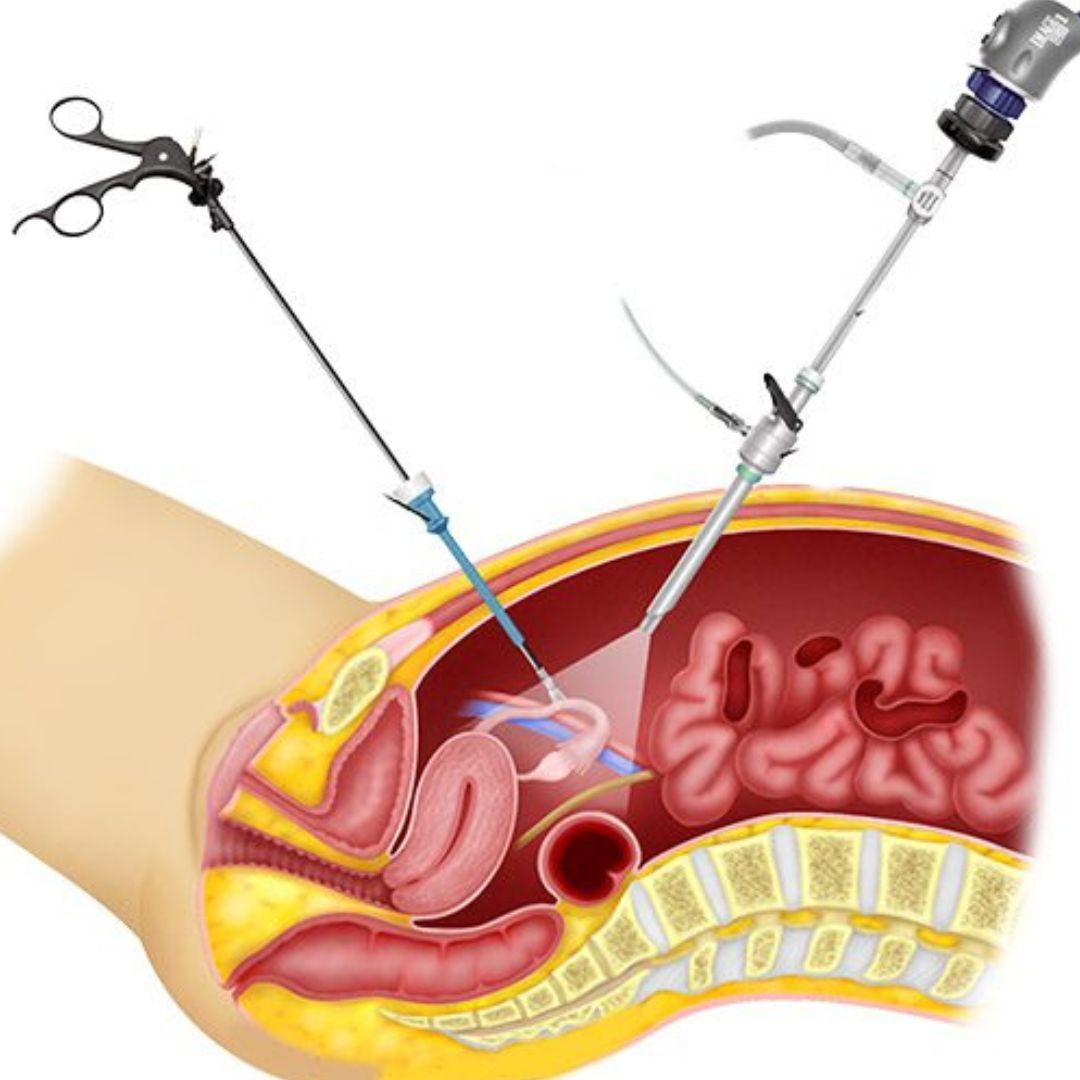
Hysteroscopy is a minimally invasive procedure used to diagnose and treat conditions inside the uterus, including abnormal bleeding, polyps, fibroids, and uterine abnormalities.
Hysteroscopy is a minimally invasive procedure used to examine the inside of the uterus. It helps diagnose and treat various uterine conditions without the need for external incisions.
A hysteroscopy is a procedure used to examine the inside of the womb (uterus). It is performed using a hysteroscope, a thin telescope fitted with a light and camera that allows your doctor to clearly view the uterine cavity on a monitor.
The hysteroscope is gently passed through the vagina and cervix into the uterus, so no cuts or incisions are required. This makes hysteroscopy a safe, minimally invasive procedure with a quicker recovery compared to traditional surgery.
Hysteroscopy is commonly used to investigate abnormal uterine bleeding, infertility, recurrent miscarriages, polyps, fibroids, uterine adhesions, and other abnormalities. In many cases, it can also be used to treat these conditions during the same procedure.
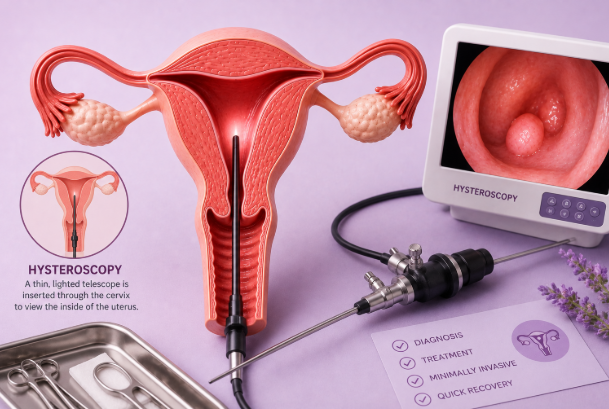
A hysteroscopy is performed to diagnose and treat conditions affecting the uterus. It allows your doctor to examine the uterine cavity and, in many cases, treat abnormalities during the same minimally invasive procedure.
Used to investigate heavy periods, irregular bleeding, postmenopausal bleeding, and other abnormal uterine bleeding symptoms.
Helps identify uterine abnormalities that may be contributing to chronic pelvic pain or discomfort.
Recommended for women experiencing difficulty conceiving or recurrent miscarriages to assess the uterine cavity.
Provides a clear view of the uterus to diagnose fibroids, polyps, and other non-cancerous uterine growths.
Allows removal of fibroids, polyps, uterine adhesions, and displaced intrauterine devices (IUDs) during the same procedure.
Hysteroscopy has largely replaced dilatation and curettage (D&C) for examining the uterus because it offers better visualization and targeted treatment.
The procedure is performed without external incisions, offering accurate diagnosis, effective treatment, and faster recovery.
Hysteroscopy is a minimally invasive outpatient procedure that allows your doctor to examine the inside of the uterus. Most women return home the same day, and the procedure is usually quick with minimal recovery time.
Hysteroscopy is usually performed as an outpatient procedure, allowing you to return home on the same day without an overnight hospital stay.
A thin hysteroscope is gently passed through the vagina and cervix into the uterus, so no external incisions are required.
Depending on the procedure, local anaesthesia, general anaesthesia, or no anaesthesia may be used to ensure your comfort.
A diagnostic hysteroscopy usually takes 5–10 minutes, while procedures involving treatment may take up to 30 minutes.
Most women experience little or mild discomfort, while some may feel stronger cramping. The procedure can be paused if it becomes too uncomfortable.
If you are concerned about discomfort, discuss pain relief options with your doctor before the procedure to ensure a comfortable experience.
Recovery after a hysteroscopy is usually quick. Most women can resume their normal routine within a day, although recovery may take a little longer if general anaesthesia or additional treatment was performed.
What to expect after the procedure
Tips for a smooth recovery
Hysteroscopy is generally a safe and minimally invasive procedure. However, like any medical procedure, it carries a small risk of complications, particularly when treatment is performed during the hysteroscopy.
Accidental injury to the uterus is uncommon but may require observation, antibiotics, or, in rare cases, surgical repair.
Damage to the cervix is rare and is usually minor, with most cases treated easily during or shortly after the procedure.
Heavy bleeding is uncommon but may occur after operative hysteroscopy and can usually be managed with medication or additional treatment.
Infection may cause fever, unpleasant-smelling vaginal discharge, or heavy bleeding and is usually treated successfully with antibiotics.
A small number of women may feel dizzy or faint during or shortly after the procedure, especially if performed without general anaesthesia.
Your doctor will recommend hysteroscopy only when the expected benefits outweigh the potential risks and will discuss any concerns before the procedure.
Find answers to common questions about hysteroscopy, the procedure, recovery, and possible risks.