Recurrent Miscarriage
Having a miscarriage can be a very distressing and emotional experience. If you have experienced repeated pregnancy loss, understanding the possible causes and available treatment options can help you receive appropriate care and support.
What Is a Miscarriage?
A miscarriage is the loss of a pregnancy before 24 weeks of pregnancy. Early miscarriage, which occurs during the first 12 weeks, is the most common type.
A single miscarriage is relatively common and does not necessarily mean that there is an underlying health problem.
What Is Recurrent Miscarriage?
Recurrent miscarriage refers to repeated pregnancy loss. Traditionally, recurrent miscarriage was defined as three or more consecutive miscarriages. However, medical evaluation may be considered earlier in some women, particularly when there are specific risk factors or concerns.
Early assessment can help identify possible causes and guide further management.
Why Do Recurrent Miscarriages Happen?
There can be several possible causes of recurrent miscarriage. In some women, no specific cause is identified despite thorough investigations.
Possible factors include:
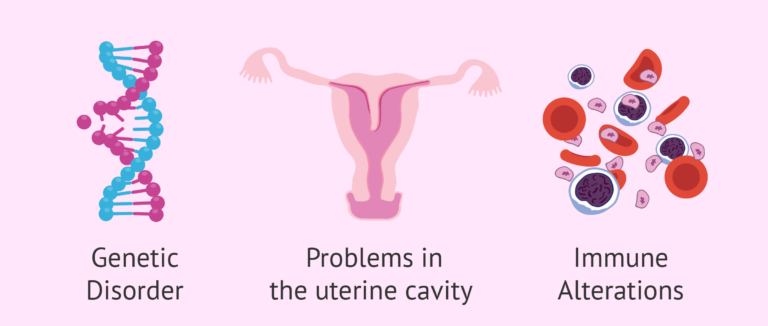
Genetic or chromosomal abnormalities
Antiphospholipid antibody syndrome (APS)
Certain blood-clotting disorders (thrombophilias)
Uterine abnormalities, such as fibroids, polyps or congenital abnormalities
Hormonal and endocrine conditions, including thyroid disorders and poorly controlled diabetes
Certain infections, when clinically suspected
Other maternal health conditions
Obesity
Smoking
Excessive alcohol consumption
The cause may be different from one woman to another, so investigations should be individualized.
What Investigations Are Required?
The doctor may recommend investigations based on your medical history, pregnancy history and examination.
Genetic Tests
Karyotyping may be considered for the woman and/or her partner when a genetic cause is suspected. In selected cases, genetic testing of pregnancy tissue may also provide useful information.
Antiphospholipid Antibody Testing
Blood tests may be performed to look for antiphospholipid antibodies, particularly when antiphospholipid syndrome is suspected.
Blood-Clotting Tests
A thrombophilia evaluation may be recommended in selected patients based on their individual history and risk factors.
Blood Sugar and Thyroid Tests
Blood tests may be performed to check for conditions such as:
Diabetes or abnormal blood sugar levels
Thyroid disorders
Other hormonal problems when clinically indicated
Assessment of the Uterus
A pelvic ultrasound can help evaluate the uterus and ovaries. Depending on the suspected cause, further assessment with hysteroscopy, laparoscopy or other imaging tests may be recommended.
What Are the Treatment Options?
Treatment depends on the underlying cause. There is no single treatment that is suitable for every woman with recurrent miscarriage.
Treatment for Antiphospholipid Syndrome
Women diagnosed with antiphospholipid syndrome may be treated with medicines such as low-dose aspirin and heparin during pregnancy, under specialist supervision.
Genetic Counselling
If a genetic or chromosomal abnormality is identified, genetic counselling can help couples understand the findings and discuss future pregnancy options.
Treatment of Uterine Abnormalities
Certain structural problems affecting the uterus may be treated surgically when appropriate. Procedures such as hysteroscopy may be recommended depending on the abnormality.
Managing Thyroid Disease and Diabetes
Proper control of thyroid disorders, diabetes and other medical conditions before and during pregnancy can be an important part of reducing pregnancy-related risks.
Progesterone Support
Progesterone treatment may be recommended in selected women, particularly in certain situations involving early pregnancy bleeding and a history of miscarriage. The decision should be made by the treating doctor based on individual circumstances.
Immunotherapy
Immunological treatments have been investigated for recurrent miscarriage, but their effectiveness is not established for routine use in all patients. Such treatments should only be considered after specialist evaluation and discussion of the available evidence.
Can Recurrent Miscarriage Be Prevented?
Not every miscarriage can be prevented, particularly when it is caused by chromosomal abnormalities that occur by chance.
However, identifying and treating an underlying condition, maintaining a healthy weight, avoiding smoking and alcohol, controlling medical conditions and receiving appropriate antenatal care may help support a healthier pregnancy.
When Should You Consult a Specialist?
If you have experienced repeated pregnancy losses, it is advisable to discuss your history with a gynaecologist or fertility specialist. A detailed evaluation can help identify possible causes and develop an individualized plan for your next pregnancy.
Recurrent miscarriage can be emotionally challenging, but appropriate evaluation, medical support and careful pregnancy planning can help many couples move forward with greater confidence.