Endometriosis Treatment in South Delhi
Endometriosis (en-doe-me-tree-O-sis) is an often painful disorder in which tissue similar to the tissue that normally lines the inside of your uterus — the endometrium — grows outside your uterus.
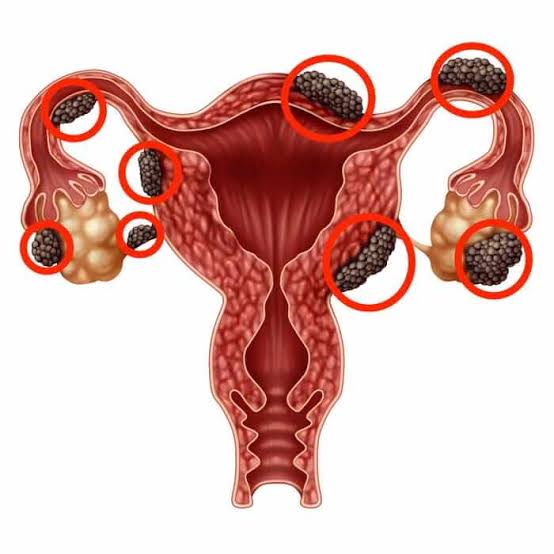
Endometriosis (en-doe-me-tree-O-sis) is an often painful disorder in which tissue similar to the tissue that normally lines the inside of your uterus — the endometrium — grows outside your uterus.
Endometriosis is a condition in which tissue similar to the lining of the uterus (endometrium) grows outside the uterus. It commonly affects the ovaries, fallopian tubes, and the tissue lining the pelvis, causing inflammation, pain, and other complications.
During each menstrual cycle, this endometrial-like tissue behaves like the uterine lining—it thickens, breaks down, and bleeds. However, because the blood and tissue cannot leave the body, they become trapped, leading to irritation, inflammation, and discomfort.
Endometriosis may cause ovarian cysts known as endometriomas, scar tissue, and adhesions that can make pelvic organs stick together. Common symptoms include severe menstrual pain, chronic pelvic pain, painful intercourse, and fertility problems. Early diagnosis and appropriate treatment can help manage symptoms and improve quality of life.
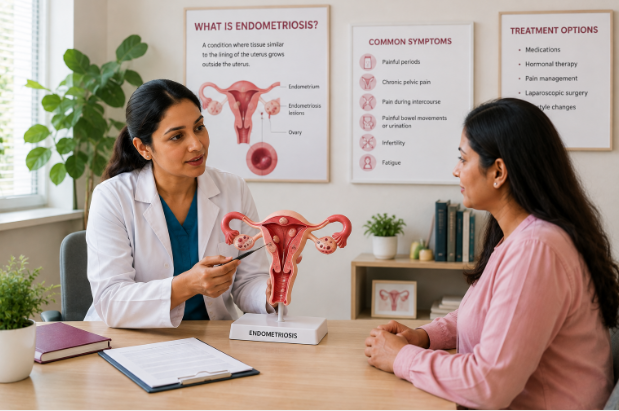
The primary symptom of endometriosis is pelvic pain, often associated with menstrual periods. Symptoms can vary in severity and may worsen over time, affecting daily life and fertility.
Severe pelvic pain and cramping before or during menstruation, often accompanied by lower back and abdominal pain.
Pain during or after sexual intercourse is a common symptom of endometriosis.
Pain while passing stool or urine, especially during menstrual periods.
Heavy menstrual bleeding or bleeding between periods may occur in some women.
Infertility may be the first sign of endometriosis for some women seeking pregnancy.
Fatigue, bloating, nausea, diarrhea, or constipation are common, particularly during menstrual periods.
The exact cause of endometriosis remains unknown. However, several theories explain how endometrial-like tissue may develop outside the uterus.
Menstrual blood flows backward through the fallopian tubes into the pelvic cavity, allowing endometrial-like cells to implant and grow outside the uterus.
Hormones or immune system factors may transform cells lining the abdomen into endometrial-like tissue.
Estrogen and other hormones may cause embryonic cells to develop into endometrial-like implants during puberty.
After surgeries such as a C-section or hysterectomy, endometrial cells may attach to the surgical incision and continue to grow.
Endometrial cells may spread through blood or lymphatic vessels, while immune system dysfunction may prevent the body from removing misplaced tissue.
While the exact cause of endometriosis is unknown, several factors may increase the likelihood of developing this condition. Understanding these risk factors can help with early diagnosis and treatment.
Common factors linked to a higher risk
Conditions that may increase the risk
Find answers to common questions about endometriosis, including its symptoms, causes, risk factors, diagnosis, and treatment options.
Find answers to common questions about endometriosis, including its symptoms, causes, risk factors, diagnosis, and treatment options.