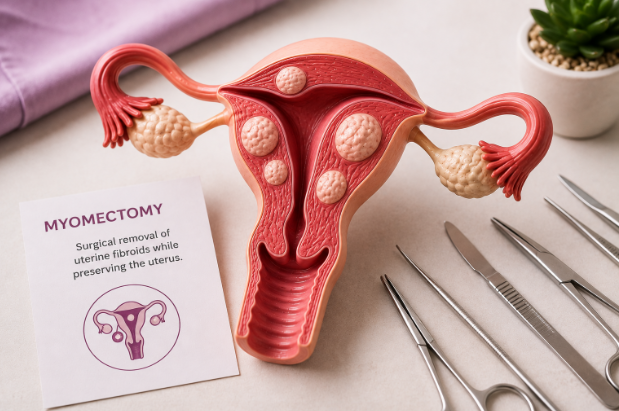
Myomectomy is a specialized surgical procedure performed to remove uterine fibroids (also known as leiomyomas) while preserving the uterus. Fibroids are common noncancerous growths that often develop during a woman's reproductive years and may cause symptoms such as heavy menstrual bleeding, pelvic pain, pressure, and fertility problems.
The primary goal of a myomectomy is to remove fibroids that are causing symptoms while maintaining the normal structure and function of the uterus. Unlike a hysterectomy, which removes the entire uterus, myomectomy allows women to preserve their fertility and the possibility of future pregnancy.
Depending on the size, number, and location of the fibroids, the procedure may be performed using minimally invasive laparoscopic or hysteroscopic techniques, or through open surgery. Your gynecologist will recommend the most suitable approach based on your individual condition.
Most women experience significant relief from fibroid-related symptoms after myomectomy, including reduced heavy menstrual bleeding, decreased pelvic pressure, and improved quality of life. At Dr. Neha Khandelwal's Clinic, we provide personalized evaluation and advanced surgical care to ensure the best possible outcomes.
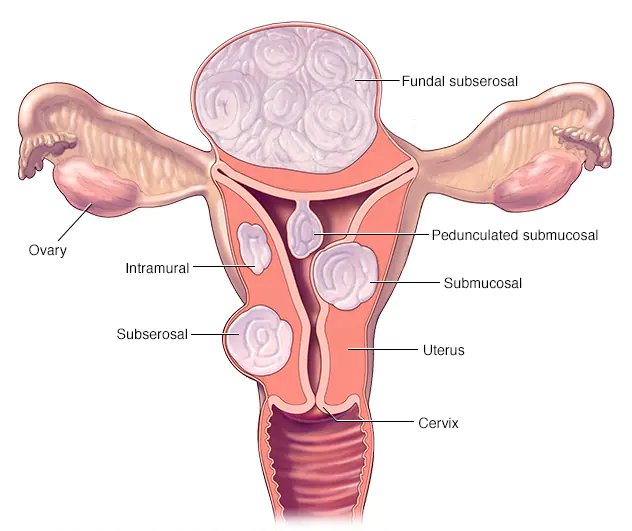
Myomectomy is recommended for women with symptomatic uterine fibroids who wish to preserve their uterus. It helps relieve fibroid-related symptoms while maintaining reproductive potential and improving overall quality of life.
Myomectomy is recommended when fibroids cause heavy menstrual bleeding, pelvic pain, pressure, or other symptoms that interfere with daily life.
Women who wish to have children in the future may choose myomectomy because it preserves the uterus and supports future fertility.
If fibroids are suspected to affect fertility or increase the risk of pregnancy complications, myomectomy may improve the chances of conception.
Unlike a hysterectomy, myomectomy removes only the fibroids, allowing women to retain their uterus and reproductive organs.
Your gynecologist may recommend myomectomy based on the size, number, and location of fibroids, as well as your symptoms and reproductive goals.
Removing symptomatic fibroids can significantly reduce pain, heavy bleeding, pelvic pressure, and discomfort, helping women return to normal daily activities.
Myomectomy is generally a safe and effective procedure for treating uterine fibroids while preserving the uterus. However, like any surgery, it carries certain risks that should be discussed with your gynecologist before treatment.
Women with large fibroids or heavy menstrual bleeding may have anemia before surgery. Your surgeon takes special precautions to minimize bleeding, although blood transfusion may occasionally be required.
Surgical incisions in the uterus may lead to adhesions (scar tissue), which can occasionally affect pelvic organs or future fertility. Minimally invasive surgery generally has a lower risk.
Women who become pregnant after myomectomy may require a planned cesarean delivery, particularly if a deep incision was made in the uterine wall during surgery.
In uncommon situations, uncontrollable bleeding or unexpected findings during surgery may require removal of the uterus to ensure patient safety.
Very rarely, a cancerous uterine tumor may resemble a fibroid. Your surgeon will evaluate your individual risk and discuss the safest surgical approach before the procedure.
Your gynecologist will discuss the benefits and potential risks of myomectomy based on your age, symptoms, fibroid size, fertility goals, and overall health before recommending surgery.
Careful preparation before myomectomy helps minimize surgical risks, improve recovery, and increase the chances of a successful outcome. Your gynecologist may recommend the following measures based on your health and the size of your fibroids.
Preparing your body before surgery
Choosing the safest treatment approach
Proper preparation before myomectomy helps improve surgical safety, reduce complications, and support a smoother recovery. Your doctor will provide personalized instructions based on your medical condition and the planned surgical approach.
Avoid eating or drinking for the recommended number of hours before your procedure as instructed by your surgeon.
Inform your doctor about all prescription medicines, over-the-counter drugs, vitamins, and herbal supplements you are taking.
Your surgeon will review your medical history, examination findings, and test results to determine the safest surgical plan.
Most laparoscopic and abdominal myomectomies are performed under general anesthesia, allowing you to remain completely asleep during surgery.
Depending on the procedure, monitored anesthesia care (MAC), spinal anesthesia, or local anesthesia may be recommended.
Discuss postoperative pain control with your doctor so you know what medications and recovery measures to expect after surgery.
Find answers to common questions about myomectomy, uterine fibroids, recovery, fertility, and treatment options.