Best IVF Treatment in South Delhi
In Vitro Fertilization (IVF) is an advanced fertility treatment in which eggs are fertilized with sperm in a laboratory, and the resulting embryo is transferred into the uterus to achieve pregnancy.
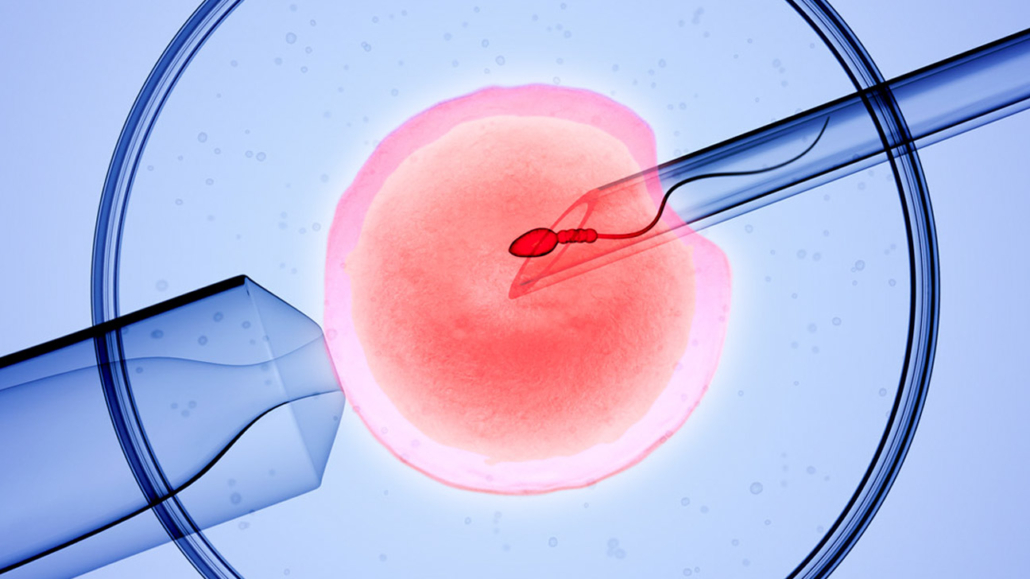
In Vitro Fertilization (IVF) is an advanced fertility treatment in which eggs are fertilized with sperm in a laboratory, and the resulting embryo is transferred into the uterus to achieve pregnancy.
In Vitro Fertilization (IVF) is one of the most advanced and effective fertility treatments available. It helps couples overcome infertility by fertilizing an egg with sperm in a specialized laboratory before transferring the resulting embryo into the uterus to achieve pregnancy.
IVF is a multi-step assisted reproductive technology (ART) procedure in which mature eggs are retrieved from the ovaries and fertilized with sperm in a laboratory. Once fertilization occurs, healthy embryos are carefully monitored before one or more are transferred into the uterus to establish a pregnancy.
A complete IVF cycle generally takes around three weeks, although the treatment may be customized depending on individual fertility needs. IVF can be performed using a couple's own eggs and sperm or, in certain situations, donor eggs, donor sperm, donor embryos, or a gestational carrier may be considered.
At Dr. Neha Khandelwal's Clinic, we offer personalized IVF treatment plans using evidence-based reproductive medicine and advanced laboratory techniques. Our experienced fertility team provides compassionate care and guidance throughout every stage of your journey to parenthood.
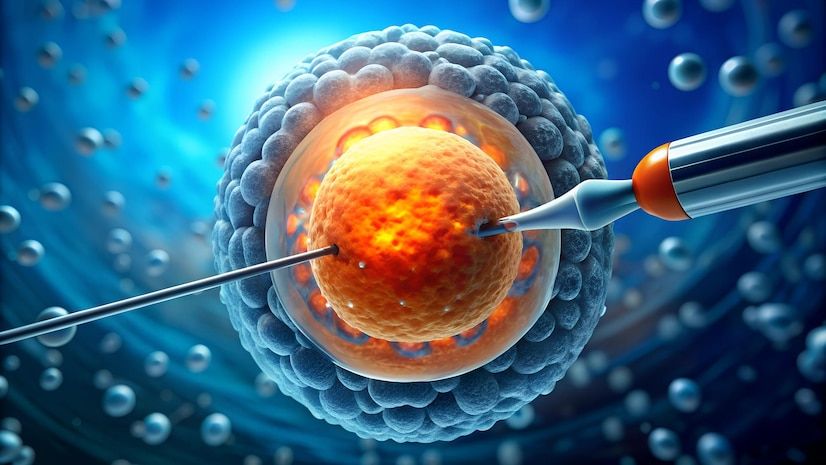
In Vitro Fertilization (IVF) is recommended for couples experiencing infertility, certain reproductive health conditions, or genetic concerns. It offers one of the most effective assisted reproductive treatments for achieving a healthy pregnancy.
IVF is recommended when the fallopian tubes are blocked or damaged, preventing the egg and sperm from meeting naturally.
Women with irregular or absent ovulation may benefit from IVF when fewer eggs are available for natural fertilization.
IVF improves pregnancy chances for women whose fertility has been affected by endometriosis involving the ovaries or fallopian tubes.
Fibroids that interfere with embryo implantation or pregnancy may make IVF a suitable treatment option.
IVF can overcome problems related to low sperm count, poor sperm motility, or abnormal sperm shape and function.
IVF is often recommended when no specific cause of infertility is identified despite comprehensive fertility testing.
IVF combined with preimplantation genetic testing (PGT) helps reduce the risk of passing certain inherited genetic conditions to the baby.
Before cancer treatment or other medical therapies that may affect fertility, eggs or embryos can be preserved through IVF for future pregnancy.
Women who have undergone tubal ligation or fallopian tube removal may choose IVF as an alternative to reversal surgery.
IVF is generally considered a safe and effective fertility treatment. However, like any medical procedure, it carries certain risks that should be discussed with your fertility specialist before beginning treatment.
Transferring more than one embryo may increase the chance of twins or higher-order pregnancies, which carry greater risks for both mother and babies.
IVF pregnancies may have a slightly higher risk of premature delivery and low birth weight compared with naturally conceived pregnancies.
Fertility medications used to stimulate the ovaries may cause swelling, abdominal pain, bloating, nausea, and, in rare cases, severe complications.
The risk of miscarriage after IVF is similar to natural conception and generally increases with maternal age.
Egg retrieval is a minimally invasive procedure, but there is a small risk of bleeding, infection, or injury to nearby organs.
In rare cases, the embryo may implant outside the uterus, usually in a fallopian tube, requiring immediate medical attention.
Maternal age remains the primary risk factor for birth defects. Current evidence does not show a significant increase in birth defects due to IVF.
Current research does not show a significant increase in the risk of breast, ovarian, cervical, or endometrial cancer after IVF treatment.
IVF can be physically, emotionally, and financially demanding. Ongoing support from fertility specialists, counselors, and loved ones is valuable throughout treatment.
Careful planning and medical evaluation before starting an IVF cycle help improve treatment outcomes. Your fertility specialist will perform detailed assessments and create a personalized treatment plan.
Essential fertility assessments before IVF
Preparing for embryo transfer and future planning
Ovulation induction is the first stage of IVF treatment. Fertility medications are used to stimulate the ovaries to produce multiple mature eggs, improving the chances of successful fertilization and embryo development.
Injectable fertility medications containing FSH, LH, or a combination are used to stimulate the ovaries to develop multiple eggs.
Once the follicles reach the appropriate size, an hCG trigger injection or similar medication helps the eggs mature before retrieval.
Special medications prevent premature ovulation, ensuring the eggs remain in the ovaries until retrieval.
Regular transvaginal ultrasounds monitor follicle growth and help determine the ideal timing for egg retrieval.
Blood tests measure hormone levels, including estrogen and progesterone, to evaluate your response to fertility medications.
Your fertility specialist adjusts medications and timing based on your response to maximize safety and improve the chances of a successful IVF cycle.
Find answers to common questions about In Vitro Fertilization (IVF), the treatment process, safety, success rates, and fertility care.