Book Appointment

Minimally Invasive Surgery

Understanding Laparoscopy (Keyhole Surgery)

Laparoscopy is a type of surgical procedure that allows a surgeon to access the inside of the abdomen (tummy) and pelvis without having to make large incisions in the skin.

Overview & Advantages

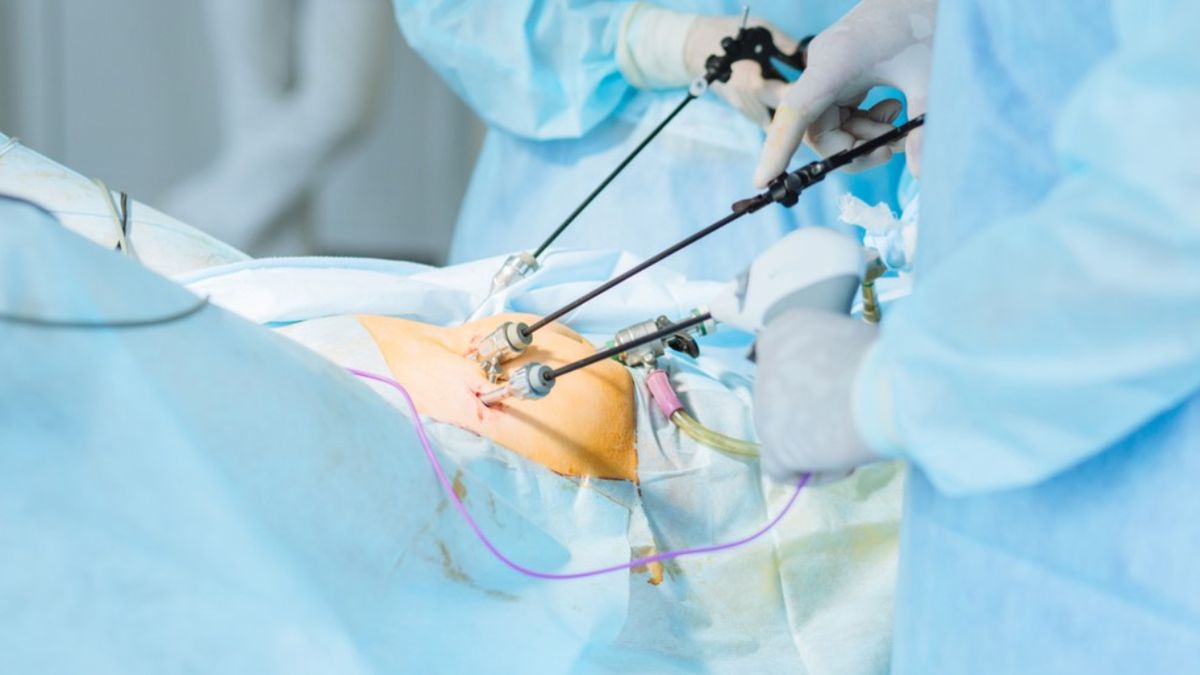
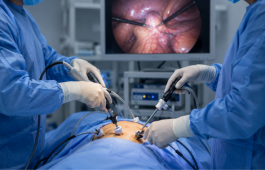
Also known as keyhole or minimally invasive surgery, this procedure uses an instrument called a laparoscope—a small tube with a light source and a camera—which relays images of the inside of the abdomen or pelvis to a television monitor.

Because large incisions are avoided, the advantages of this technique over traditional open surgery include a shorter hospital stay, faster recovery time, less pain and bleeding after the operation, and reduced scarring.

The procedure is carried out under general anaesthetic, so you won’t feel any pain. You can often go home on the same day of your laparoscopy, although you may sometimes need to stay in the hospital overnight.
Understanding Laparoscopy
Procedure Guidelines

Uses, Procedure & Safety

Laparoscopy is a commonly performed procedure used to help diagnose and treat a wide range of conditions. While serious complications are rare, understanding the process is essential.

Diagnosis & Surgery

Used to diagnose conditions in the abdomen/pelvis, carry out procedures like removing damaged organs, or taking tissue samples for further testing (biopsies).

Common Medical Fields

Most frequently used in gynaecology (female reproductive system), gastroenterology (digestive system), and urology (urinary system).

How It Is Carried Out

The surgeon makes small incisions to insert the laparoscope, tools, and a tube to pump gas into the abdomen, making it easier to see and operate.

Recovery & Aftercare

After the procedure, gas is released, incisions are stitched, and a dressing is applied. Patients often return home the same day.

Minor Complications

Occurring in 1-2% of cases, these can include minor infection, bruising or bleeding around the incision, feeling sick, and vomiting.

Serious Complications

Rarely (1 in 1,000 cases), risks include organ/artery damage, carbon dioxide complications, severe anaesthetic allergy, or blood clots (DVT). Further surgery may be required.