Women's Health
Common Gynaecological Problems
Most women experience one or more gynaecological problems during their lifetime. Early diagnosis and appropriate treatment can help prevent complications and maintain reproductive health.
Overview
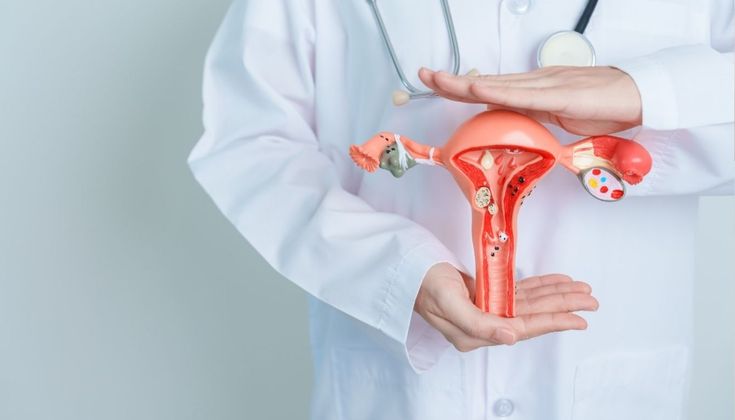
Gynaecological conditions can affect women of all ages and may involve the uterus, ovaries, cervix, fallopian tubes, or urinary tract. While many conditions are mild and manageable, some require timely medical care to avoid long-term complications.
Symptoms such as painful periods, irregular menstrual cycles, pelvic pain, abnormal bleeding, urinary discomfort, or fertility issues should never be ignored. Regular check-ups help detect these conditions early.
With accurate diagnosis and personalized treatment, most gynaecological disorders can be effectively managed, improving overall health, fertility, and quality of life.