Caesarean (C-Section) Delivery in South Delhi
A caesarean birth, commonly known as a C-section delivery, is a surgical method of childbirth where the baby is delivered through an incision made in the mother’s abdomen and uterus.
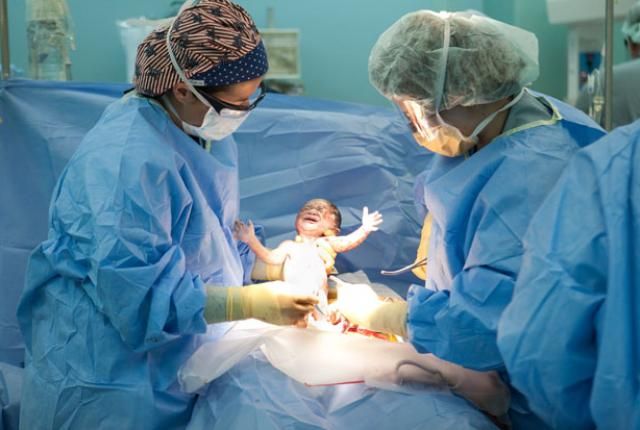
A caesarean birth, commonly known as a C-section delivery, is a surgical method of childbirth where the baby is delivered through an incision made in the mother’s abdomen and uterus.
A Caesarean birth (C-section) is a surgical procedure performed to deliver a baby through an incision made in the abdomen and uterus. It is a safe delivery option when vaginal birth may not be suitable for the mother or baby.
A C-section may be planned in advance due to pregnancy complications, medical conditions, or a previous Caesarean delivery when a vaginal birth after cesarean (VBAC) is not recommended.
At Dr. Neha Khandelwal’s clinic, we provide personalized guidance and expert maternity care throughout the C-section journey. From preparation before surgery to post-delivery recovery support, our focus is on ensuring a safe, comfortable, and positive childbirth experience for every mother.
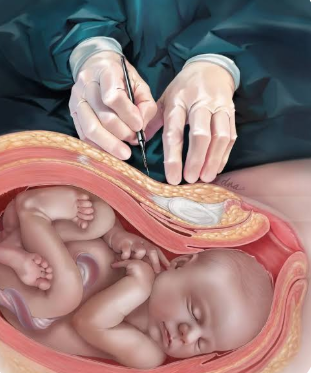
A Caesarean delivery may be recommended when it is considered safer for the mother or baby than a vaginal birth. Several medical conditions and pregnancy situations may require a C-section for a safe delivery.
A C-section may be needed if labour does not progress despite strong contractions and the cervix does not open adequately.
Changes in the baby's heartbeat or signs of distress may require a C-section to ensure safe delivery.
A C-section may be recommended when the baby is breech, transverse, or not positioned safely for vaginal birth.
C-section delivery may be required for twins, triplets, or multiple pregnancies depending on the babies' positions and health.
Conditions like placenta previa, where the placenta blocks the cervix, may require a planned C-section.
A C-section may be advised if the umbilical cord slips through the cervix before the baby.
Certain health concerns such as heart conditions, brain disorders, or active genital herpes may require C-section delivery.
Large fibroids, pelvic injuries, or conditions affecting the baby’s head size may make C-section safer.
Depending on previous surgery details and pregnancy factors, a repeat C-section may be recommended.
Like any major surgical procedure, a C-section is generally safe but may involve certain risks for both the mother and baby. Understanding these risks helps you make informed decisions with your healthcare provider.
Babies born through planned C-section may have a higher chance of temporary breathing difficulties after birth.
In rare cases, accidental minor injuries to the baby's skin may occur during the surgical procedure.
Mothers may have a risk of developing infections in the uterus lining or around the surgical incision after delivery.
A C-section may increase the risk of postpartum hemorrhage or excessive bleeding during and after delivery.
Some women may experience side effects or reactions related to the type of anesthesia used during surgery.
C-section delivery may increase the risk of blood clots forming in the legs or pelvic veins.
The surgical incision may develop an infection depending on individual health factors and delivery conditions.
Rarely, nearby organs such as the bladder or bowel may be affected during surgery and may require additional treatment.
Multiple C-sections may increase the risk of placenta problems and uterine complications in future pregnancies.
Proper preparation before a C-section helps ensure a safer delivery experience. Understanding the procedure, discussing concerns, and planning recovery can help mothers feel more confident.
Important steps to ensure safe surgical planning
Preparing for a smooth birth and post-delivery recovery
A Caesarean delivery involves careful preparation and medical steps to ensure the safety of both mother and baby. The exact process may vary depending on individual health conditions and the reason for surgery.
You may be advised to shower with antiseptic soap before surgery. Avoid shaving pubic hair before a C-section, as it may increase infection risk.
At the hospital, your abdomen will be cleaned, a urinary catheter may be placed, and IV lines will provide fluids and medications.
Most C-sections use regional anesthesia, such as spinal or epidural blocks, allowing you to stay awake during your baby's birth.
In emergency situations, general anesthesia may be required, where you will be unconscious during the delivery procedure.
The surgical team carefully monitors both mother and baby throughout the procedure to ensure a safe delivery.
Continuous medical care and monitoring help provide a safe and comfortable C-section experience.
A C-section involves several carefully planned steps to ensure the safety of both mother and baby. The exact process may vary depending on the medical reason for the surgery.
Recovery after a Caesarean birth requires proper rest, wound care, and support. Following your doctor's advice can help promote healing and ensure a smooth recovery journey.
Rest whenever possible and keep essential items for you and your baby nearby. Avoid lifting heavy objects and strenuous activities during the initial recovery period.
Your doctor may recommend safe pain-relief options such as prescribed medicines, ibuprofen, or acetaminophen to manage incision discomfort.
Avoid sexual intercourse for around six weeks after a C-section to reduce the risk of infection and allow proper healing.
Avoid driving until you can comfortably apply brakes and check blind spots without pain or medication support. This may take one to two weeks.
Watch for signs of infection such as redness, swelling, discharge, fever, heavy bleeding, or increasing pain around the incision.
Regular follow-up with your healthcare provider helps monitor physical recovery, emotional health, contraception needs, and overall wellbeing.
Seek medical support if you experience severe mood changes, extreme tiredness, loss of interest, or difficulty caring for yourself or your baby.
A comprehensive postpartum evaluation within 12 weeks helps check healing, discuss baby care, feeding, sleep, and recovery progress.
Use postpartum visits to ask questions about newborn care, breastfeeding, recovery concerns, and your baby's health.
Find answers to common questions about C-section delivery, safety, recovery, and caesarean birth planning.