Book Appointment

Abdominal Hysterectomy

Safe & Effective Abdominal Hysterectomy Surgery

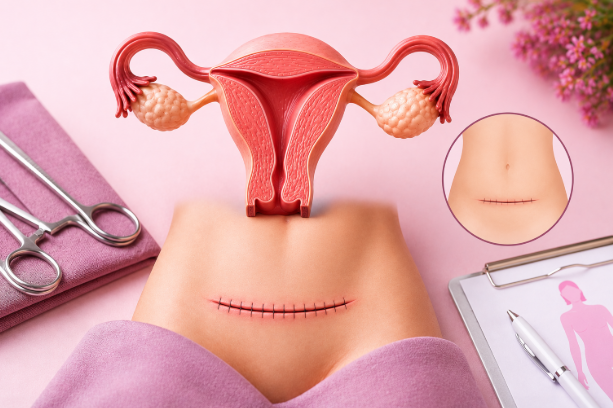
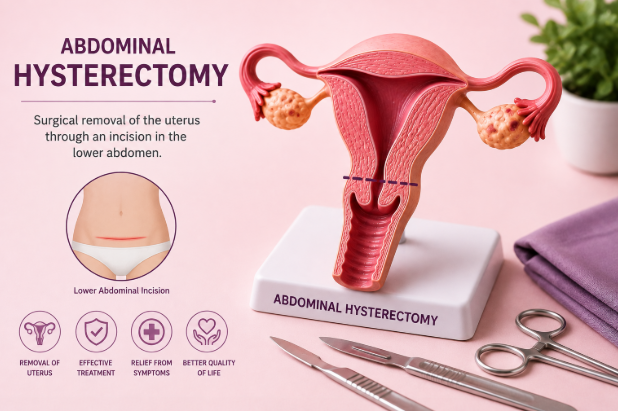
An abdominal hysterectomy is a surgical procedure in which the uterus is removed through an incision in the lower abdomen. It is recommended for women with certain gynecological conditions when other treatment options are not suitable or have been unsuccessful.

Overview

During an abdominal hysterectomy, the uterus (womb) is removed through an incision made in the lower abdomen. Depending on the medical condition, the procedure may involve removing only the uterus (partial hysterectomy) or both the uterus and cervix (total hysterectomy).

In some cases, one or both ovaries and fallopian tubes may also be removed. This procedure is known as a total hysterectomy with salpingo-oophorectomy and may be recommended for certain gynecological disorders or cancer prevention.

An abdominal hysterectomy may be preferred when the uterus is enlarged, when your doctor needs to evaluate other pelvic organs during surgery, or when your surgeon determines that the abdominal approach offers the safest and most effective treatment for your condition.
Abdominal Hysterectomy Surgery
Abdominal Hysterectomy

Why is Abdominal Hysterectomy Performed?

An abdominal hysterectomy is recommended when other treatments are ineffective or when removing the uterus is the safest and most effective option for managing serious gynecological conditions.

Gynecologic Cancer

Hysterectomy is often the primary treatment for cancers of the uterus or cervix and may be combined with other cancer therapies when required.

Uterine Fibroids

Large or symptomatic fibroids causing heavy bleeding, pelvic pain, anemia, or bladder pressure may require a hysterectomy for permanent relief.

Endometriosis

When medications or conservative surgery fail to control severe endometriosis, a hysterectomy may provide long-term symptom relief.

Uterine Prolapse

A hysterectomy may be recommended when the uterus descends into the vagina, causing pelvic pressure, urinary leakage, or bowel difficulties.

Abnormal Vaginal Bleeding

Women with persistent heavy, prolonged, or irregular menstrual bleeding that does not respond to other treatments may benefit from hysterectomy.

Chronic Pelvic Pain

In selected cases where chronic pelvic pain originates from the uterus and other treatments have failed, hysterectomy may be considered.

Completed Family Planning

Since a hysterectomy permanently ends the ability to become pregnant, doctors carefully discuss fertility goals and possible alternatives before surgery.

Removal of Ovaries & Tubes

In some cases, both ovaries and fallopian tubes are removed along with the uterus, particularly when medically necessary or to reduce future disease risk.

Personalized Surgical Decision

Your gynecologist will recommend abdominal hysterectomy only after evaluating your condition, symptoms, overall health, and available treatment options.

Abdominal Hysterectomy

Risks of Abdominal Hysterectomy

An abdominal hysterectomy is generally a safe and commonly performed procedure. However, as with any major surgery, there are potential risks and complications that your surgeon will discuss before the operation.

Blood Clots

There is a small risk of developing blood clots in the legs or lungs after surgery. Early movement and preventive measures help reduce this risk.

Infection

Infection may occur at the surgical incision or within the pelvis, but antibiotics and proper postoperative care help minimize this risk.

Excessive Bleeding

Although uncommon, significant bleeding during or after surgery may require additional treatment or, rarely, a blood transfusion.

Anesthesia Reactions

Some patients may experience adverse reactions to general anesthesia, although serious complications are rare.

Injury to Nearby Organs

During surgery, nearby structures such as the bladder, urinary tract, rectum, or other pelvic organs may rarely be injured and require repair.

Earlier Menopause

Some women may experience menopause earlier than expected after hysterectomy, even if the ovaries are not removed.

Rare Serious Complications

Very rarely, major complications such as life-threatening events or death can occur, although these are extremely uncommon.

Abdominal Hysterectomy

How to Prepare for Abdominal Hysterectomy

Proper preparation before abdominal hysterectomy can help ensure a smoother surgery and recovery. Your healthcare team will guide you through every step to help you feel informed and confident.

Before Surgery

Essential steps before your procedure

  • Learn About the Procedure: Discuss the surgery, benefits, risks, and recovery process with your doctor so you feel fully informed.
  • Review Your Medications: Follow your doctor's advice regarding prescription medicines, blood thinners, supplements, and herbal products before surgery.
  • Discuss Anesthesia: Your surgeon and anesthesiologist will explain the general anesthesia used during an abdominal hysterectomy and answer any questions.

Recovery Planning

Preparing for your hospital stay and recovery

  • Plan Your Hospital Stay: Most women stay in the hospital for one to two days after an abdominal hysterectomy, depending on their recovery.
  • Arrange Help at Home: Recovery may take several weeks, so arrange assistance with household tasks, childcare, or daily activities if needed.
  • Follow Recovery Instructions: Avoid heavy lifting, driving, and strenuous activities until your doctor confirms it is safe to resume them.
Abdominal Hysterectomy Procedure

What to Expect Before Surgery

Before an abdominal hysterectomy, your healthcare team performs a thorough evaluation and prepares you for a safe surgical procedure. Understanding what happens before surgery can help you feel more comfortable and confident.

Surgical Planning

Your surgeon will explain the procedure and determine whether the cervix, ovaries, or fallopian tubes also need to be removed based on your condition.

Pap Test

A cervical cytology (Pap test) may be performed to detect abnormal cervical cells or signs of cervical cancer before surgery.

Endometrial Biopsy

Your doctor may collect a sample from the uterine lining to check for abnormal cells or endometrial cancer if necessary.

Pelvic Ultrasound

A pelvic ultrasound helps evaluate uterine fibroids, endometrial polyps, ovarian cysts, and other pelvic abnormalities.

Infection Prevention

Before surgery, you may be instructed to shower with a special antiseptic soap, and additional cleansing procedures may be recommended to reduce infection risk.

Preventive Antibiotics

An intravenous (IV) antibiotic is usually given immediately before surgery to help prevent postoperative infections.

Frequently Asked Questions

Find answers to common questions about abdominal hysterectomy, the procedure, recovery, and post-surgical care.

An abdominal hysterectomy is a surgical procedure in which the uterus is removed through an incision in the lower abdomen. It is performed to treat various gynecological conditions when other treatment options are not suitable or effective.

Your doctor may recommend an abdominal hysterectomy for conditions such as large uterine fibroids, severe endometriosis, abnormal uterine bleeding, uterine prolapse, chronic pelvic pain, or certain gynecological cancers.

Recovery usually takes 6 to 8 weeks, depending on your overall health and the extent of the surgery. Your doctor will provide guidance on activity restrictions, wound care, and follow-up appointments during recovery.

No. Since the uterus is removed during an abdominal hysterectomy, pregnancy is no longer possible after the procedure. Your doctor will discuss all suitable treatment options before recommending surgery.

After surgery, you may experience mild pain, fatigue, and temporary discomfort, which gradually improve with proper care. Regular follow-up visits, adequate rest, and following your doctor's instructions help ensure a smooth and healthy recovery.