Infertility Treatment in South Delhi
Learn about infertility, its common causes, symptoms, diagnosis, and advanced treatment options. Get expert guidance to improve your chances of conception and achieve a healthy pregnancy.
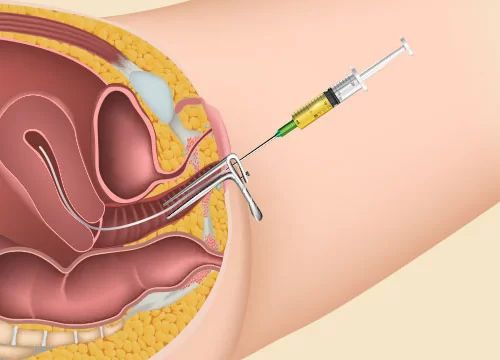
Learn about infertility, its common causes, symptoms, diagnosis, and advanced treatment options. Get expert guidance to improve your chances of conception and achieve a healthy pregnancy.
If you and your partner are struggling to have a baby, you’re not alone. Infertility is defined as not being able to get pregnant despite having frequent, unprotected sex for at least a year for most couples.
Infertility may result from an issue with either you or your partner, or a combination of factors that prevent pregnancy. Fortunately, there are many safe and effective therapies that significantly improve your chances of getting pregnant.
The main symptom of infertility is not getting pregnant. Women with infertility may have irregular or absent menstrual periods, while men may display signs of hormonal problems, such as changes in hair growth or sexual function.
All of the steps during ovulation and fertilization need to happen correctly in order to get pregnant. However, most couples will eventually conceive, with or without treatment.
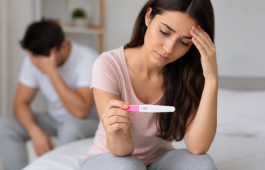
Infertility can affect one or both partners, and sometimes no exact cause can be found. Understanding when to see a doctor and identifying potential factors is the first step toward treatment.
Talk to a provider earlier if you are 35+ and trying for six months, have irregular or painful periods, multiple miscarriages, or conditions like endometriosis.
Consult a doctor if you have a low sperm count, a history of testicular or sexual problems, scrotal swelling, or a family history of infertility.
Abnormal sperm production can be caused by genetic defects, health conditions like diabetes, infections, or enlarged veins in the testes (varicocele).
Problems with the delivery of sperm can occur due to premature ejaculation, genetic diseases like cystic fibrosis, or structural blockages.
Overexposure to pesticides, smoking, alcohol, certain medications, and frequent exposure to heat can negatively affect sperm production and fertility.
Damage related to cancer and its treatments, including radiation and chemotherapy, can impair sperm production, sometimes severely.